When people think about raising capital, they often picture pitch competitions, investor meetings, or grant applications.
Those things matter. But they usually aren’t where investment readiness begins. Long before someone writes a check or approves a loan, they’re asking themselves a different question:
Is this business ready?
That confidence isn’t built through a presentation alone. It’s built over time through relationships, consistent results, financial discipline, and a clear vision for where the business is headed.
At Novle, access to capital didn’t happen overnight. As we delivered results, strengthened relationships, and became better business owners, new opportunities started to open.
One lesson became clear along the way: Capital often follows progress.
Relationships Open Doors Before Applications Do
One of the biggest misconceptions about raising capital is thinking it starts with an application. More often, it starts with a relationship.
The people who help move your business forward are rarely strangers. They’re clients who trust your work, mentors who have watched you grow, community leaders who know your reputation, and partners who have seen you follow through on your commitments.
They’ve already seen what you can do. When opportunities come up, those are often the people making introductions, sharing your name, or encouraging you to apply. Their confidence in your business wasn’t built overnight. It came from watching your consistency over time.
That’s why it’s important to build relationships before you need funding.
Share your progress. Ask for advice. Stay connected with the people who support your business. Every conversation is an opportunity to build trust long before you need to ask for something in return
Not Every Funding Opportunity Is Looking for the Same Thing
Many entrepreneurs approach every funding opportunity the same way.
But different funding sources have different priorities. A bank wants confidence that you’ll be able to repay a loan. An investor may be looking for growth potential. A grant program may focus on community impact. A strategic partner might be interested in how your business aligns with its mission.
Instead of only asking yourself, What do I need?
Also ask:
What are they trying to accomplish?
Understanding that perspective changes how you communicate your business.
The strongest founders don’t simply explain what their business does. They explain why it matters to the person sitting across the table.
Every “No” Can Make Your Business Stronger
Rejection is part of building a business. Every entrepreneur hears “no” at some point, but the difference is what happens next.
Instead of seeing rejection as the end of the conversation, treat it as feedback. Maybe your financial records were not strong enough yet. Maybe your business was still too early. Maybe your plan needed more clarity.
Each conversation gives you a better understanding of what your business needs before the next opportunity comes along. Progress does not come from asking the same question over and over. It comes from improving the business between conversations.
Needing Capital Isn’t the Same as Being Ready for It
Almost every growing business could benefit from additional funding, but that does not automatically mean it is ready to receive it.
Before someone invests in your business, they want confidence that you will use those resources well. Can you clearly explain how much funding you need? Do you know exactly what you will use it for? Can you explain how that investment will help your business grow?
Specific answers build confidence. Compare these two statements:
“I need $50,000 to grow my business.”
Now compare it with this:
“I’m seeking $50,000 to purchase equipment, hire one additional employee, and expand our customer outreach over the next six months. That investment will increase our capacity and allow us to serve more clients.”
The second answer helps people understand the opportunity because it connects the investment to a clear outcome.
Know Your Business Numbers
One lesson I wish I had learned earlier was the importance of understanding business finances. You do not need to become an accountant, but you should understand how your business is performing.
Can you explain your monthly revenue? Do you know your expenses? Are you profitable? How much cash does your business have available today?
These are not just questions lenders or investors might ask. They are questions every business owner should be able to answer. Understanding your numbers helps you make better decisions, identify challenges earlier, and communicate with confidence when opportunities arise.
Progress Builds Confidence
One mistake many entrepreneurs make is disappearing until they need something.
The people in your network should not only hear from you when you are looking for funding. Bring them along on the journey. Share milestones. Celebrate new customers. Talk about lessons you have learned. Highlight meaningful projects and community impact.
People do not need every detail, but they do appreciate seeing that your business continues to move forward.
At Novle, many of our biggest opportunities came from people who had already watched us grow. They had experienced our work, seen our commitment to our clients, and understood the impact we were creating.
By the time an opportunity came along, trust had already been established. That is why capital is often relational before it becomes financial.
Investment Readiness Happens in Stages
Very few businesses go from startup to major investment overnight. Growth usually happens one step at a time. For some founders, that first investment is their own savings. For others, it is revenue from their first customers, a small grant, a line of credit, or a strategic partnership.
Each stage builds credibility for the next one. Every milestone becomes evidence that your business can manage resources responsibly and continue growing. That is exactly how it happened for us.
As our business matured, our relationships grew stronger, our financial understanding improved, and our reputation continued to develop. Those pieces created new opportunities that were not available in our early years.
Investment readiness is not a destination. It is something you build over time.
Are You Ready?
Before you begin applying for funding, take a step back and ask yourself a few questions:
- Can I clearly explain what my business does?
- Do I know exactly how much funding I need and why?
- Can I explain how this investment will create measurable growth?
- Do I understand my revenue, expenses, and cash flow?
- Can I demonstrate customer demand?
- Have I built relationships with people who know my work and trust my business?
You do not need to have every answer perfectly figured out.
But you should be able to show that you are building a business with intention and that you are prepared to manage the responsibility that comes with additional capital.
Building a Business People Believe In
Being investment-ready is not about having the perfect pitch deck. It is about building confidence over time.
Every client you serve, every promise you keep, every relationship you build, and every milestone you reach becomes part of the story you are telling about your business.
At Novle, we have learned that access to capital is not just about asking for funding. It is about creating a business that people believe in.
That belief is earned through consistent work, thoughtful leadership, and a commitment to continuous growth. Because before someone invests in your business, they invest in their confidence that you can lead it.
And that confidence is built long before the first conversation about funding ever begins.
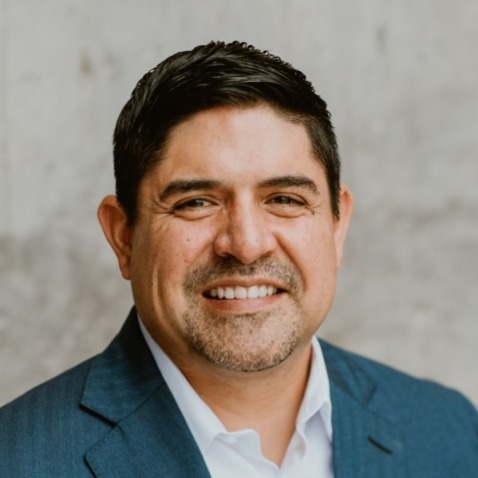
By Carlos Velasco, CEO & Founder, Novle Activators | Advisory Board Member, One AZ Credit Union| SEEDSPOT Mentor and guest contributor
If you are looking to build stronger connections and grow your impact, visit Novle’s website